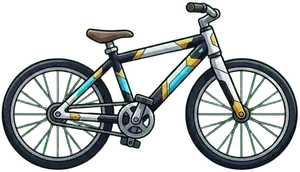
Bicycle
Low direct cost and no fuel, but time and distance may make it impractical.
Phase 3 · Upper secondary · Ages 16–18
School is far away and time is limited. Choose transport, manage money and respond to roadside risks while keeping enough for the school day ahead.

The scenario
Transport is only the beginning. Licence fees, fuel, tolls, repairs, insurance and school supplies all compete for the same money while the clock keeps moving.
A fast vehicle may protect time but consume the budget. A cheap choice may create a different risk. There is no decision without a consequence.

Game flow
Check the distance, deadline, school needs and starting money.
Compare purchase price, speed, fuel use, licence and reliability.
Respond to tolls, fuel stops, offers, risks and other travellers.
Arrive, buy what is needed and inspect the decision summary.
The garage
Every vehicle card uses the same media area, so the artwork remains centred above the matching costs and description.
Low direct cost and no fuel, but time and distance may make it impractical.
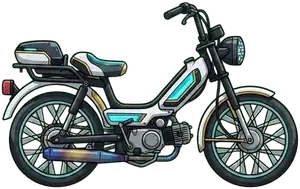
Affordable motorised travel with moderate speed and running costs.
Faster and more reliable, but it leaves less money for the rest of the journey.

Premium performance with a purchase price and running cost to match.
On the road
Events are not detached quiz questions. Learners must act with the resources and information they have at that moment.
Compare unavoidable costs with time-saving alternatives.
Pay a known premium now to reduce an uncertain loss later.
Lock money away and decide whether the return is worth less flexibility.
Recognise pressure and promises that are too good to be true.
See how a tempting prize can hide a poor expected outcome.
Balance generosity with responsibilities already in the plan.
Decision summary
The A–F result brings together arrival, remaining resources, preparation, risk choices and overall planning. The summary shows the path taken so the learner can identify what to improve.
For facilitators
Compare routes across the class. Ask which costs were predictable, which risks were worth taking and how a different transport choice would change the rest of the plan.
Phase 3 challenges upper-secondary learners to connect cost, time and risk.
Play FinPintar